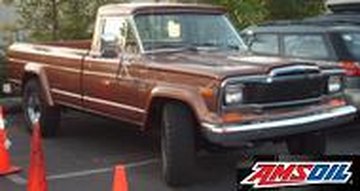
Engine Lubrication Care for the 1981 Jeep J20 PICKUP 5.9L
Maintaining a large-displacement engine requires consistent attention to lubrication quality and system integrity. For owners of a 1981 Jeep J20 PICKUP equipped with the 5.9L engine, routine service is not merely about changing fluids; it is about monitoring the health of an aging mechanical system. Because these vehicles have been in operation for decades, the way you approach oil maintenance should be informed by the current condition of the engine rather than just following a generic calendar.
Monitoring Fluid Integrity and Consumption
One of the most effective ways to monitor the health of your 5.9L engine is through regular observation of lubricant levels and appearance. Over time, mechanical components can undergo changes that affect how they hold or use oil. Rather than waiting for a warning light or a significant mechanical symptom, proactive owners should establish a baseline by checking the dipstick at regular intervals.
When inspecting the oil, look for several specific indicators:
- Consistency: The oil should have a uniform color and texture. If the lubricant appears excessively dark or gritty, it may indicate that the oil is reaching the end of its effective service life or that contaminants are present.
- Level Fluctuations: If you notice that the engine requires more frequent top-offs than previously recorded, this warrants an investigation into potential sources of loss.
- Contamination: Any milky or frothy appearance in the oil can be a sign of moisture or other fluid interaction within the crankcase, which should be addressed promptly to prevent internal issues.
It is important to remember that changes in how an engine uses oil can have multiple causes. A sudden increase in consumption does not automatically point to one specific component; it may indicate a variety of different mechanical conditions that require professional diagnosis.
Observing Potential Warning Signs
While routine checks are the first line of defense, certain symptoms should prompt more immediate attention. For a vehicle of this era, being observant about how the engine behaves during operation can prevent minor issues from escalating into significant repairs.
If you notice unusual mechanical noises while the engine is running, such as rhythmic tapping or heavy knocking, these can be associated with lubrication deficiencies or internal wear. Similarly, any visible signs of fluid seepage around the engine block or under the vehicle should be investigated. Seepage often occurs at various sealing surfaces and gaskets due to age-related hardening of materials. While a small amount of "sweating" on an old engine is not always a cause for alarm, active leaks that result in puddles or significant oil loss must be addressed.
Additionally, keep an eye on the exhaust. While exhaust characteristics can be influenced by many factors, certain types of smoke may indicate that oil is entering the combustion process. If you notice changes in engine performance or unexpected temperature fluctuations, these are also signals that the lubrication or cooling systems may need a thorough inspection.
Prioritizing Maintenance Based on Current Condition
As vehicles age, the strategy for maintenance often shifts from strictly following a schedule to managing the actual condition of the components. For the 1981 Jeep J20 PICKUP, this means prioritizing tasks based on what you observe during your inspections.
If you are working with a vehicle that has a documented service history, use those records to establish a baseline for what is "normal" for that specific engine. If the history is unknown, your first priority should be to perform a comprehensive inspection of all accessible fluids and belts (if equipped). This helps create a starting point for future monitoring.
When deciding where to focus your efforts, address active concerns first. An active leak or a noticeable change in oil color is a higher priority than general preventive measures. Furthermore, distinguish between necessary maintenance and unnecessary parts replacement. For example, an aging hose or belt should be inspected for cracks, glazing, or fraying, but it only needs replacement if the deterioration has reached a point that compromises its function.
Managing Aging Components and Seals
The materials used in 1981, including various gaskets and rubber-based seals, are subject to the effects of time and thermal cycling. Over many years, these components can lose their elasticity. When performing routine service, it is wise to inspect the general condition of all visible seals and gaskets for signs of seepage.
If you find that an engine is showing signs of minor seepage, some owners look toward high-mileage oil formulations. These specific lubricants often contain seal-conditioning additives designed to help maintain the integrity of aging elastomers. While these additives are intended to assist in managing older engines, they are not a substitute for repairing significant leaks or replacing failed components.
In addition to seals, check other age-sensitive areas such as:
- Electrical Connections: Inspect wiring and connectors for corrosion or brittle insulation.
- Cooling System Components: If equipped, inspect hoses for softness, bulging, or cracks.
- Air Filtration: Ensure the air intake system is clean to prevent debris from entering the engine and contaminating the oil.
Effective Record Keeping for Long-Term Ownership
For long-term owners of a 5.9L Jeep, maintaining a detailed log of all service performed is one of the most valuable tools available. A well-kept record includes more than just dates and mileages; it should include observations made during inspections.
Documenting when you noticed a small seep, how much oil was added between changes, or the specific brands of filters used can provide invaluable context for future repairs. This history allows you to identify trends—such as a gradual increase in oil consumption or a recurring need to replace a specific belt—which helps in making informed decisions about whether to perform preventive maintenance or wait for a component to reach its end of life.
Buying Engine Oil for your 1981 Jeep J20 PICKUP 5.9L
When it is time to replenish your lubricant, the most critical step is ensuring that the product you select matches the specific requirements of your engine. Because different engines and operating conditions require different chemical properties, do not rely on general automotive knowledge or assumptions based solely on the vehicle's age.
To ensure proper protection and performance, match the engine oil to the application-specific viscosity information already displayed on this webpage. Before completing your purchase, carefully check the product labeling to verify that the oil meets the appropriate API certification for your needs. Depending on your specific maintenance goals, you may choose between conventional, synthetic blend, or full synthetic formulations, as well as high-mileage options if they align with your engine's current condition. Always prioritize the technical specifications provided in the application data above to ensure your 1981 Jeep J20 PICKUP receives the correct lubrication.